Peptide GuideGHK-CuWhat clinicians should know about GHK-Cu, a copper peptide studied for skin and tissue repair. MOTS-c has been studied in early preclinical research for metabolic regulation (insulin sensitivity), and exercise-related metabolism. It has been studied for a possible role in metabolic regulation, including signaling related to insulin sensitivity and energy metabolism. For a foundational overview, providers often start with what peptide therapy is and related compounds such as GHK-Cu and thymosin alpha-1 before going deeper. Sound peptide education does not begin and end with a list of compounds.
Long-term data regarding human safety is absent (and there is a lack of information on interactions with prescribed drugs), as well as an inadequate characterization of effects in individuals who already have metabolic diseases. We provide a dosage chart for MOTS-c that lists the trial and label doses next to reports from Reddit users about their intake. The 1 mL fill ensures that all quantities within the reported range are contained in a single syringe with a coarser resolution.
Humanin is a 24-amino acid peptide primarily studied for neuroprotective effects (Alzheimer’s disease, neuronal survival). Subsequent studies confirmed these findings across multiple animal models, including genetic obesity models (ob/ob mice). This decline correlates with reduced metabolic flexibility, increased insulin resistance, and greater susceptibility to age-related metabolic diseases.
A 2021 study in aged male mice demonstrated that twice-weekly subcutaneous MOTS-c injections at 10 mg/kg improved grip strength (endurance capacity), and markers of muscle quality, while also extending median lifespan by approximately 5% in that cohort . That dose (adjusted by the standard body surface area conversion factor of approximately 12), translates to roughly 1.2 mg/kg per day in humans, suggesting a starting range in the vicinity of 5 to 10 mg per day for a 70 kg adult. A clear clinical overview of therapeutic peptides — how they work, common compounds, and safety.
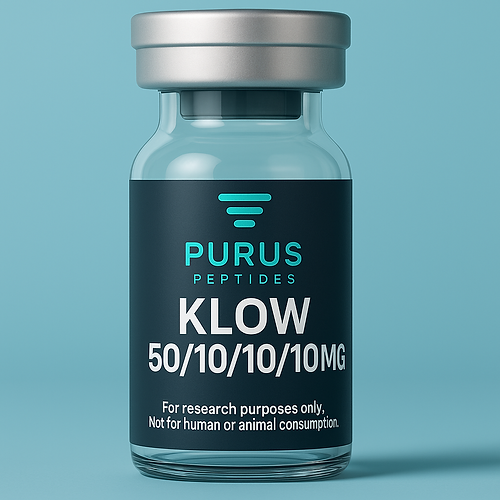
What the people who study MOTS-c say.
Its direct involvement in the regulation of metabolism through peptides has made it an increasingly important topic in peptide therapy aimed at enhancing longevity and physical performance.
Women typically start at the lower end of the dosing range , 5 mg, 2-3x per week, and adjust based on response. Shorter MOTS-c dosage questions and terminology cycles , 6-8 weeks, are common for performance-focused use. There’s no strong human evidence that daily dosing outperforms every-other-day dosing — more frequent isn’t automatically better with peptides, and cycling is generally recommended over indefinite daily use. Higher doses (up to 10 mg) are used for performance-focused protocols, but starting low and titrating based on response is the safer approach, especially without prior peptide experience. Every Healthspan protocol begins with a physician consultation and baseline labs, so dosing decisions are grounded in your actual biomarkers, not population averages. And it’s not right for you if you’re going to skip the labs and clinical supervision, because dosing without baseline and follow-up biomarkers is just guessing.
Possible effects that protect the neurons
The most commonly referenced subcutaneous doses in clinical contexts range from 5 mg to 10 mg per injection, administered 3 to 5 times per week. Your body makes it (but levels decline significantly with age), which correlates with the metabolic dysfunction, insulin resistance, and reduced exercise capacity commonly seen in older adults. Clinical protocols commonly use 5-10mg per week administered via subcutaneous injection, either 5mg once weekly or split into smaller doses (e.g., 2.5mg twice weekly). Circulating MOTS-C levels decline with age (correlating with the insulin resistance), metabolic dysfunction, and reduced exercise capacity commonly seen in older adults. In one study (exercise increased MOTS-c expression in skeletal muscle and circulating levels in people), while experimental administration and performance findings were studied in mice.
Nothing is known with confidence about chronic administration, interactions with prescribed medication, effects in people with existing metabolic disease, or safety in pregnancy. MOTS-c has a reputation for tolerability, and the reputation is broadly earned relative to other metabolic compounds. And the registered regimen is a fixed dose once daily for 12 straight weeks, which bears no resemblance to the 2 to 3 times weekly administration with cycling breaks that community protocols describe. Most writing on this compound describes a complete absence of clinical testing. MOTS-c is a metabolic compound (not a mass-building one), and higher research doses lean further in that direction. This is genuinely interesting (but it is an association plus a rodent intervention), not a demonstrated longevity effect in people.
The most commonly referenced human range is 5–10 mg per subcutaneous injection, 3–5 times per week. Here is what the evidence supports (what newer studies are testing), and what remains uncertain about daily doses, timing, cycling and combinations. Claritide tracks your plan; it does not recommend compounds or doses.
These results are the main reason MOTS-c is discussed as an endurance peptide. It is one of a small group of mitochondrial-derived peptides, alongside humanin, that researchers have studied as signals sent from the mitochondria to the rest of the body. Most of the evidence discussed here comes from cell and animal studies, and doses mentioned are anecdotal reports, not recommendations. Research protocols most commonly use 5 mg injected subcutaneously three to five times per week. Community and research protocols commonly describe 1 mg subcutaneously (taken in the morning), on a 5-days-on / 2-days-off schedule for 8-week cycles.
MOTS-c Stacks
GLP-1s produce faster, more dramatic weight loss, but often come with nausea, muscle loss, and appetite suppression some people find miserable. The GLP-1 comparison is the one people ask about most. Only centrally administered MOTS-c (directly into the brain, not something people do outside of research) showed cognitive effects.
Protocols for Cycling: Periods of Activity and Rest
Researchers in metabolic health regard it as one of the most fascinating mitochondrial peptides identified in the past ten years. Depending on your objective — the typical dosage range for clinical applications is 5-10 mg per injection, administered 2-5 times weekly. The cycling method is taken as a precaution, relying on general principles of peptide cycling instead of specific desensitization data related to MOTS-c. Some users run longer cycles , 8–12 weeks, at lower doses. This decrease is associated with age-related metabolic dysfunction (which includes insulin resistance), decreased glucose tolerance, and a decline in mitochondrial function.